Before a Carton Folds Smoothly, the Crease Has to Be Right
In carton and corrugated box production, a clean printed sheet does not automatically guarantee a good finished box. One of the most common issues in post-printing packaging production is cracking at the crease line. Some cartons fold neatly into shape, while others show white lines, surface cracking, or uneven folding during the final forming stage. In many cases, the problem does not start at folding — it starts much earlier during creasing and die cutting.
1. Creasing Is More Than Just Pressing a Line
Creasing is not simply about pressing a line onto the sheet. It is a controlled forming process that prepares the material for folding. If the crease depth is inconsistent, the pressure is unstable, or the cutting and creasing process is not well balanced, the carton may resist folding in the correct direction. This can lead to cracked surfaces, inaccurate folding lines, and reduced finished-box quality.
What can happen when creasing quality is unstable?
- Surface cracking or visible white lines on the fold
- Uneven folding angles during carton forming
- Poor box appearance even when the printed sheet looks fine
- Increased rework in downstream folding and gluing processes
2. Machine Structure Affects Pressure Stability
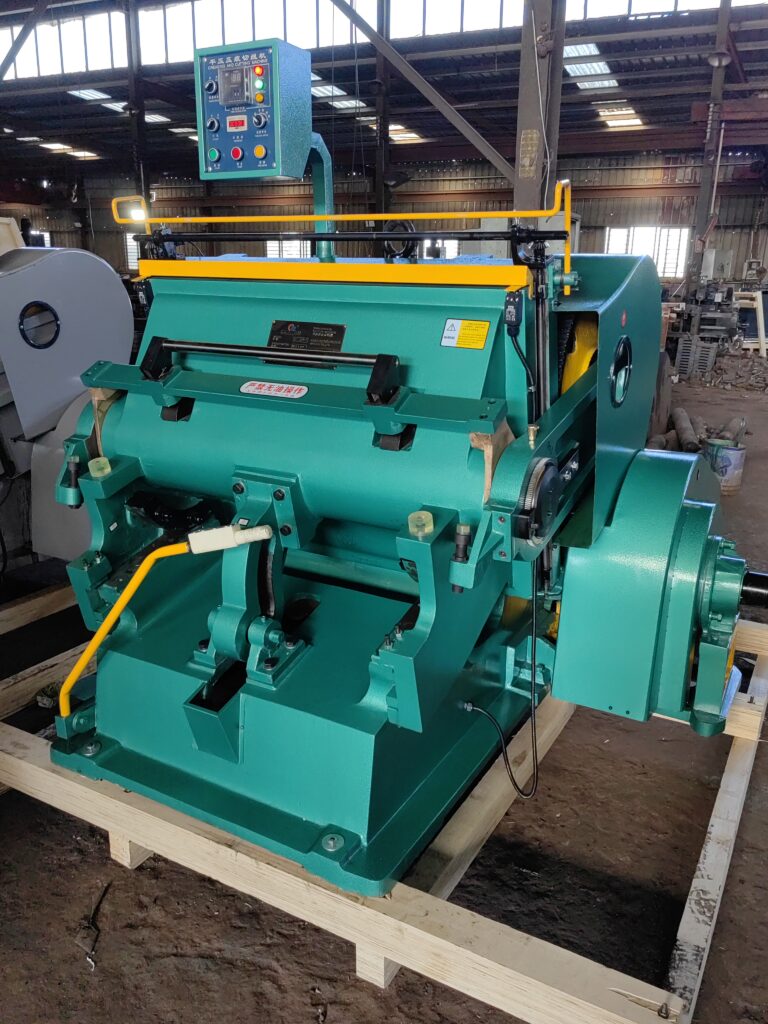
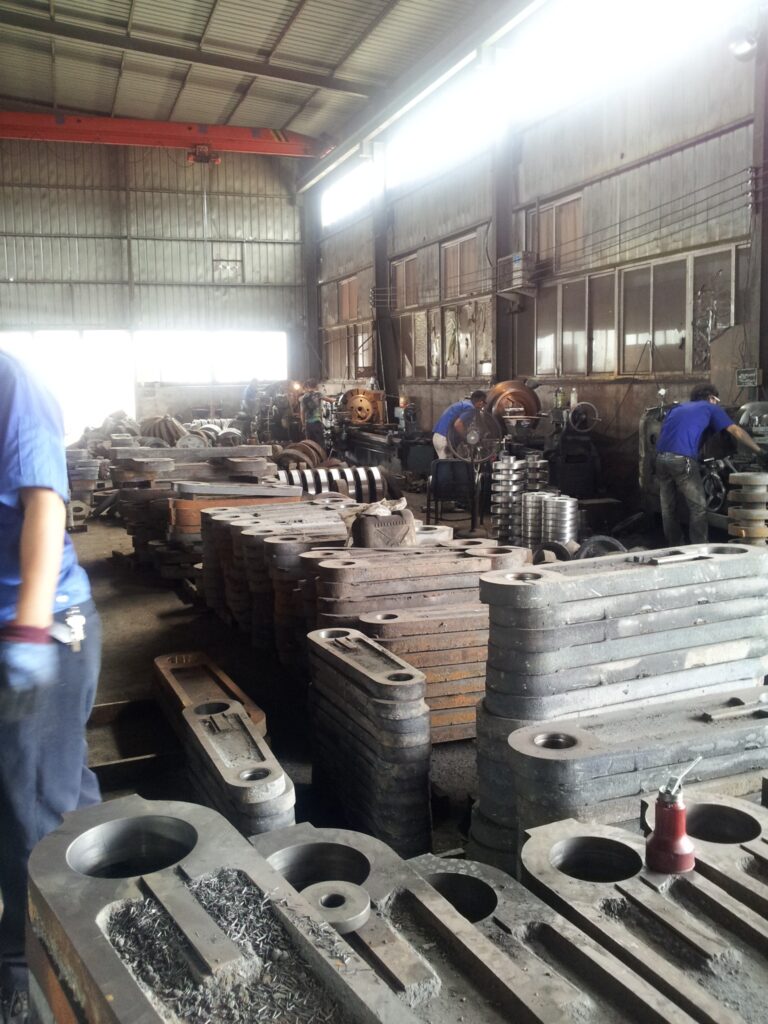
That is why machine structure matters. The creasing and die cutting machine is built with an HT250 gray cast iron body, which helps provide the rigidity needed to maintain stable pressing performance. The spindle is made of tetraphosphorus chromium steel and has been quenched and tempered to improve strength and resistance to deformation. In practical production, this kind of structural stability helps the machine maintain more consistent pressure during repeated pressing cycles, which is essential for cleaner crease lines and more predictable folding performance.
The guide rail lining plate is made of 38 chromium molybdenum aluminum and has been nitrided for improved hardness and wear resistance. This helps keep the upper and lower pressure systems balanced over long production runs. For packaging manufacturers, this is not a small detail. Once the pressure system becomes unstable, the quality of the crease line may change from sheet to sheet, even if the printed design looks identical.
Why does machine rigidity matter in creasing?
- It helps maintain more consistent pressing force during continuous production
- It reduces pressure variation between different sheets
- It supports cleaner crease formation on thicker or more sensitive materials
- It improves repeatability when running the same job over a long production cycle
3. Creasing Rhythm and Control Also Matter
The machine is also designed with a sensitive electromagnetic clutch and continuous pressing/opening delay function, allowing operators to better control the die cutting and creasing rhythm according to different product requirements. This becomes useful when processing jobs that require stable crease formation without excessive impact on the board surface.
What does better creasing control help improve?
- More stable crease formation on different materials
- Better control over pressing rhythm during job changes
- Reduced risk of excessive impact on the board surface
- More predictable folding performance in later production stages
Crease Quality Still Decides the Final Folding Result
In packaging production, the difference between a carton that folds smoothly and a carton that cracks at the crease is often not caused by a single factor. It is the result of pressure stability, machine rigidity, component durability, and creasing control working together. For manufacturers who want cleaner folding results and more stable post-printing performance, the creasing process deserves just as much attention as the printing itself.