Newer Doesn't Always Mean Better for Paper Cup Printing
In packaging production, “newer” does not always mean “more suitable.” Some paper cup printing jobs are not looking for the highest-end industrial setup or the most complex production line. What they need is a machine that can handle small orders, customized cup graphics, fast artwork switching, and lower entry barriers for branded cup printing. That is where the PS-210 Paper Cup Color Digital Printing Machine still has practical business value. For converters working with single PE-coated paper cup materials, this model can contribute to business growth by helping them take on the kinds of orders that are often difficult to serve efficiently through traditional plate-based printing alone.
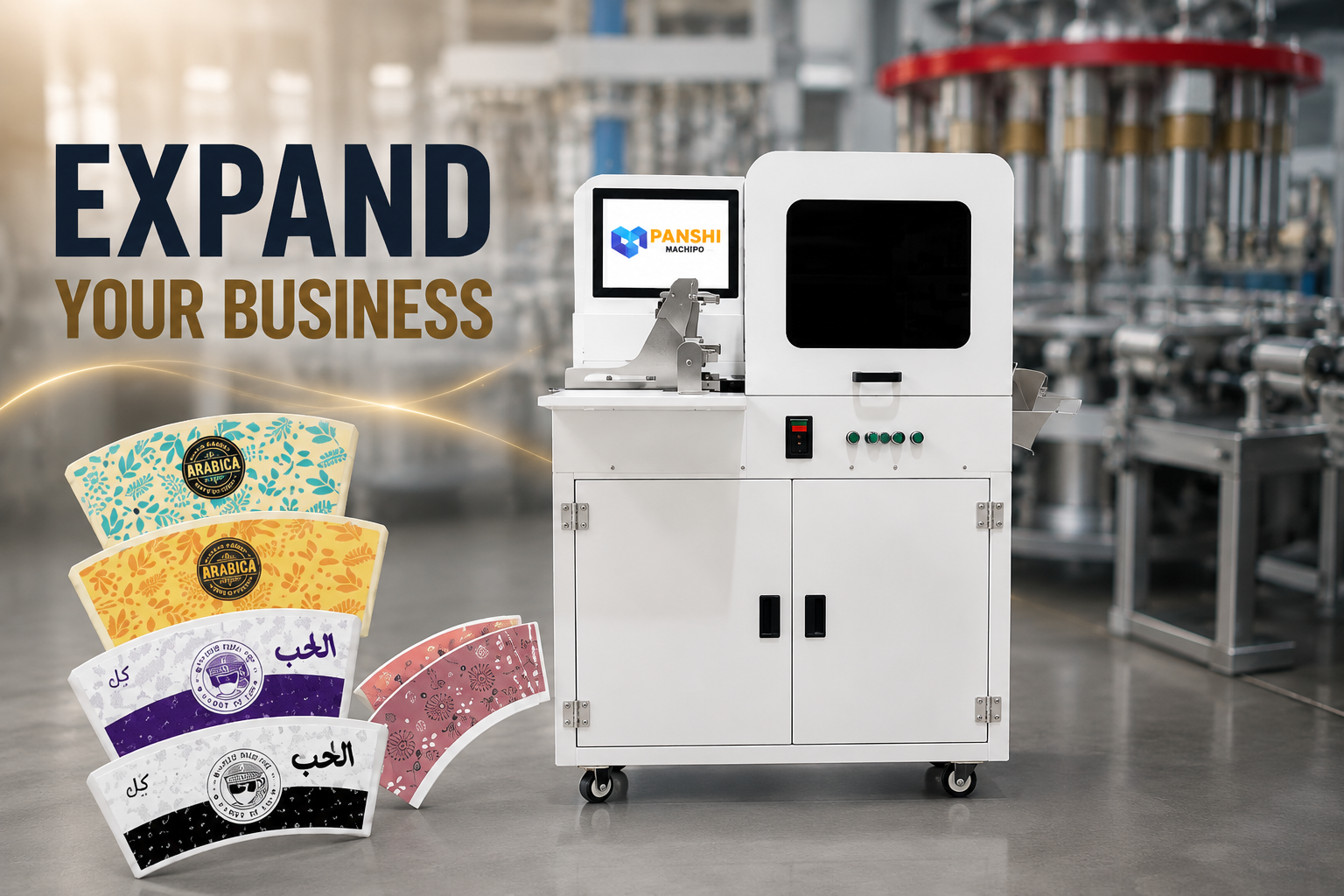
Lowers the Barrier for Customers who want Branded Cup Packaging but cannot commit to traditional print volumes
Some F&B businesses want branded cups because cup appearance supports customer recognition, social media visibility, and store image. But they may not be ready to commit to large print quantities. This is where digital paper cup printing becomes commercially useful. By supporting CMYK color printing, single-operator workflow, and direct file-based job setup, the PS-210 makes it easier for packaging suppliers to offer a more approachable printing option to smaller brands. For the end customer, that can mean:
- branded paper cups without needing very high order volume
- more room to test design ideas before scaling up
- easier entry into custom cup packaging
- better alignment between cup design and brand identity
Supports faster design switching for customers who change artwork often
Paper cup branding is not always stable for six months or one year. Beverage shops may change campaign themes, launch festive editions, test new product visuals, or update cup artwork for collaboration campaigns. Instead of locking the business into only repeat orders with fixed artwork, the machine gives packaging printers a way to support customers who want:
- multiple cup designs in a short period
- campaign-based graphics
- customer-specific artwork versions
- more visual flexibility in branding presentation
Makes Low-Volume Branded Cup Orders Easier to Accept
PS-210 supports digital image importing without plate preparation, reducing the setup burden for small cup printing jobs. This gives converters more freedom to accept:
- sample cup orders
- low-MOQ promotional cup jobs
- trial branding projects for new F&B businesses
- limited-time seasonal cup graphics
Support Business Expansion through Paper-Cup-Focused Niche Work
The PS-210 is not designed to solve every printing scenario, and it does not need to. Its strength is that it can serve a specific commercial niche: single PE-coated paper cup printing and related absorbent paper applications. That focus can still create business value. Instead of competing only for large conventional print runs, a converter can use this machine to build a service segment around:
- customized paper cup fan printing
- promotional beverage cup graphics
- small-batch paper bowl printing
- branded takeaway cup packaging projects
In other words, the machine can help a business grow not only by “printing more,” but by serving a category of orders that requires flexibility rather than pure volume.