Growing Pressure on Printing Efficiency
Unlike traditional bulk packaging, customized non-woven bags often involve multiple design variations, frequent order changes, and shorter production cycles. This creates new challenges for manufacturers, particularly in maintaining consistent print quality while meeting delivery timelines.
In many production environments, manual or semi-controlled printing processes may struggle to keep up with these changing requirements. Issues such as misalignment, inconsistent ink distribution, and unstable output can directly affect product quality and overall efficiency.
As a result, manufacturers are placing greater emphasis on improving process control and operational consistency in their printing lines.
Role of Automated Screen Printing in Bag Production
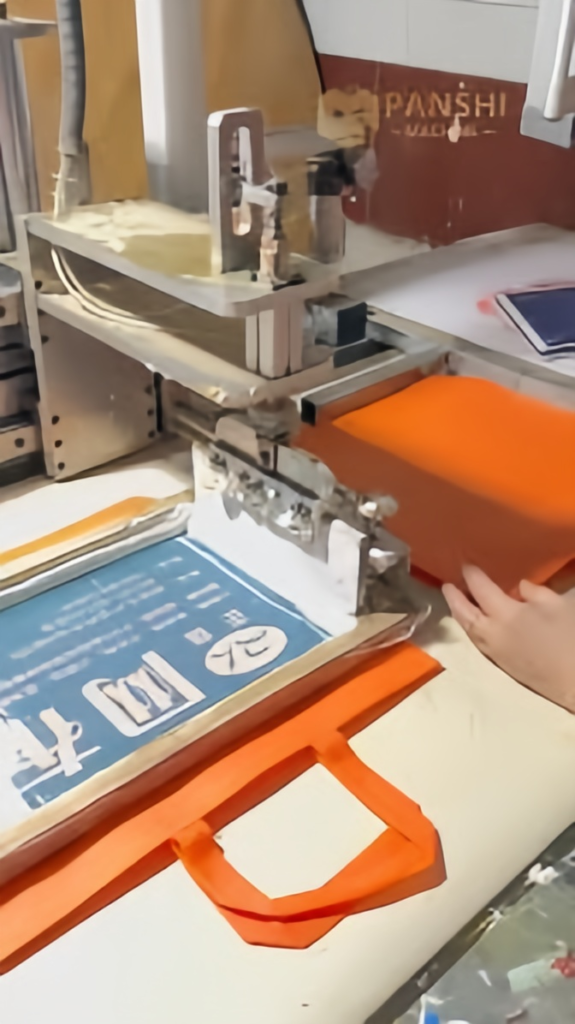
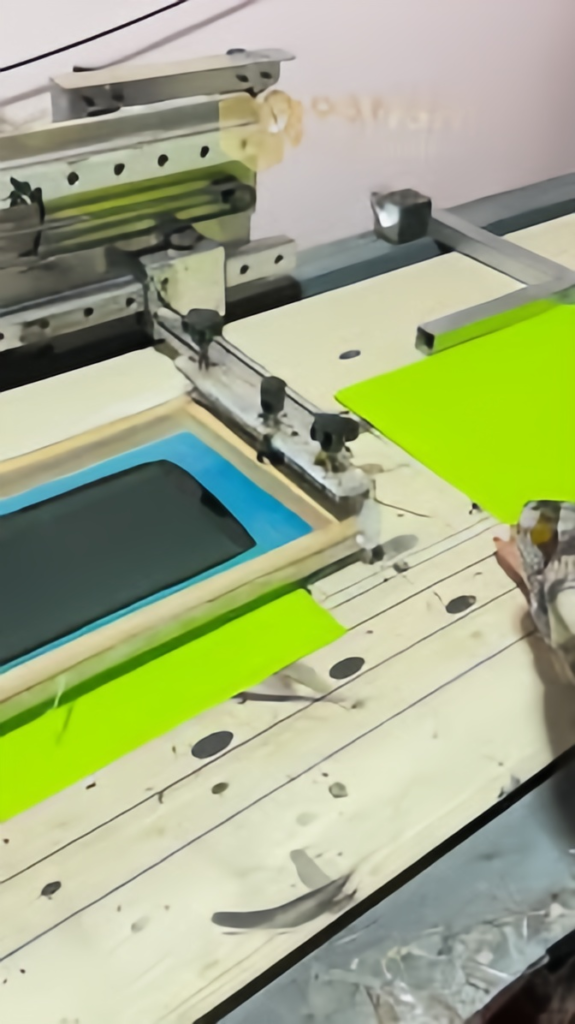
Screen printing remains one of the most widely used methods for printing on non-woven materials due to its ability to deliver strong ink coverage and durability on fabric-like surfaces.
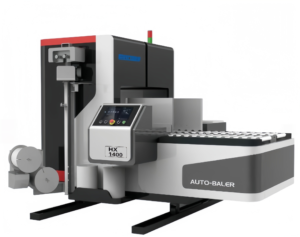
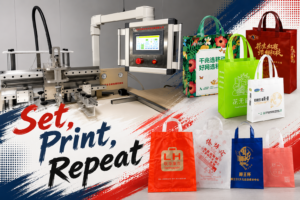
With the introduction of automated screen printing systems, manufacturers are able to enhance both production speed and output consistency. By integrating controlled positioning, stable conveyor movement, and synchronized printing actions, these systems allow for repeatable and uniform print results across large volumes.
The ability to handle flat materials with precise positioning is particularly important when printing on non-woven bags, where slight misalignment can impact branding appearance.
Structured Workflow for Consistent Output
A typical automated printing workflow includes:
- Plate preparation and setup
- Material feeding and alignment
- Printing position calibration
- Controlled printing operation
- Conveyor transfer to drying section
- Final product output
This structured process reduces dependency on manual adjustments and helps ensure stable production throughout the entire workflow.
Enhancing Production Reliability
Beyond improving speed, automated systems contribute to better production reliability. Stable frame structures, controlled printing pressure, and consistent material movement all play a role in maintaining uniform output quality.
For manufacturers handling high-volume non-woven bag orders, this level of consistency is essential in meeting both customer expectations and production targets.
Supporting Business Growth in Packaging
As demand for customized packaging continues to expand, printing processes must evolve to support more dynamic production requirements.
Automated screen printing solutions provide manufacturers with the ability to handle varying order sizes, maintain consistent output, and improve overall workflow stability.
In a competitive market where branding quality and delivery efficiency are critical, investing in controlled and reliable printing processes is becoming an important factor in sustaining business growth.